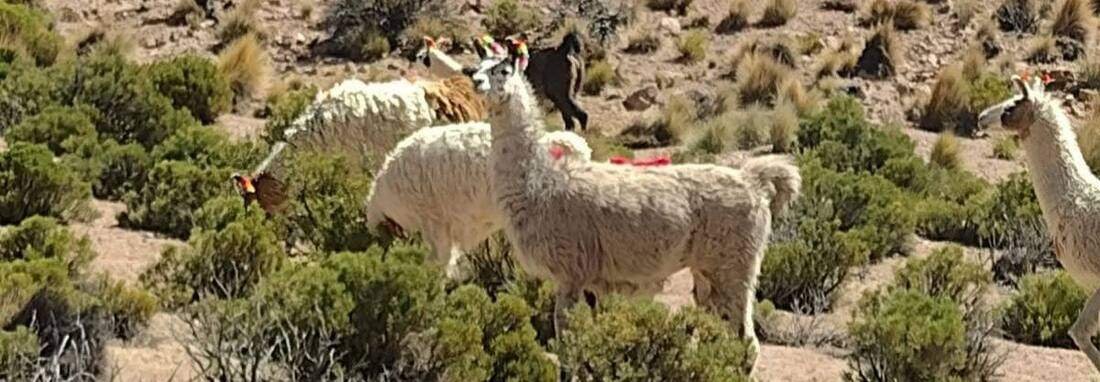
Encanto de Pica Lodge
Encanto de Pica Lodge
Encanto de Pica Lodge
We've only had our cabin for a short time, and to date we've grown step by step to offer comfort in a sustainable cabin that has given our guests excellent experiences.
You'll be able to visit the surrounding attractions of the Pica Oasis and arrive at a place to rest and enjoy.
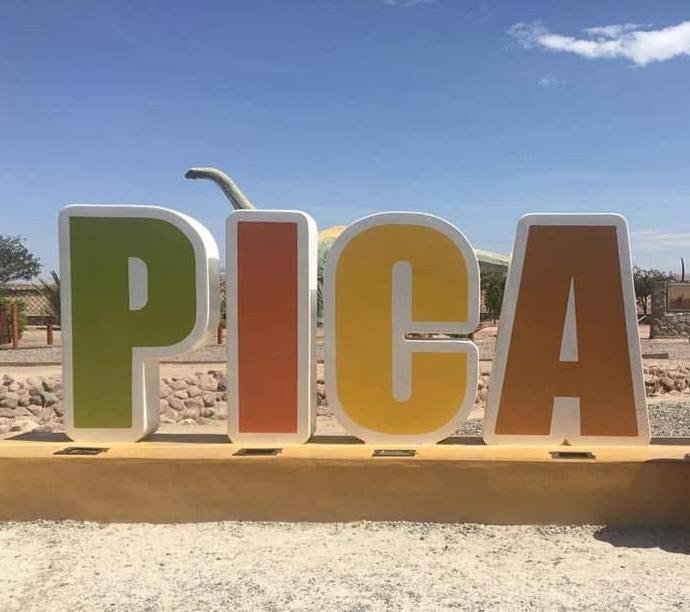
Located 114 kilometers from Iquique, Pica is known for its history linked to pre-Columbian cultures, desert geoglyphs, and the traces left by the Colonial period, visible in its architecture and in the Church of San Andrés, built in the 18th century. Today, Pica is a destination that combines tradition, rest and nature, certified as a Starlight town — ideal for stargazing and for those seeking to disconnect in a unique setting.
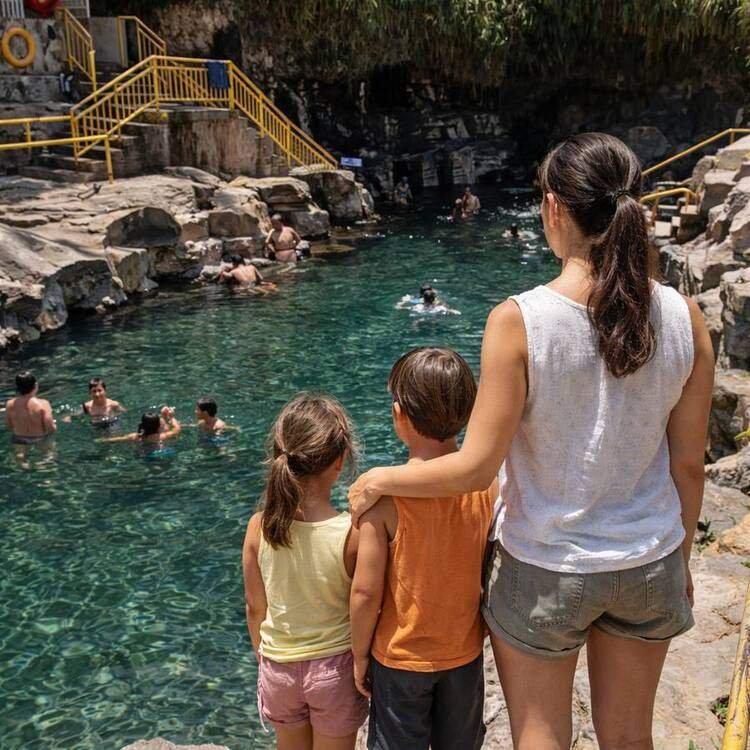
Natural hot springs in the middle of the desert. Perfect for relaxing. La Cocha is managed by the Municipality of Pica, and there is an entrance fee. It's a natural pool set among rocks, with two caves from which the water emerges — a truly unforgettable experience. Remember to check La Cocha's maintenance dates and entrance prices.
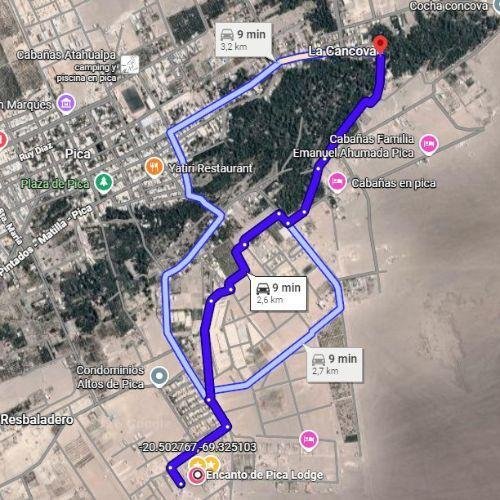
There are 3 routes to get to La Cocha, all passing near Condominio Altos de Pica. It takes an average of 5 to 9 minutes from the cabin to La Cocha.

Near the La Cocha resort, local vendors sell fruit from the area, including mangoes, tangelos, Pica lemons (with a designation of origin), guavas, and other produce.
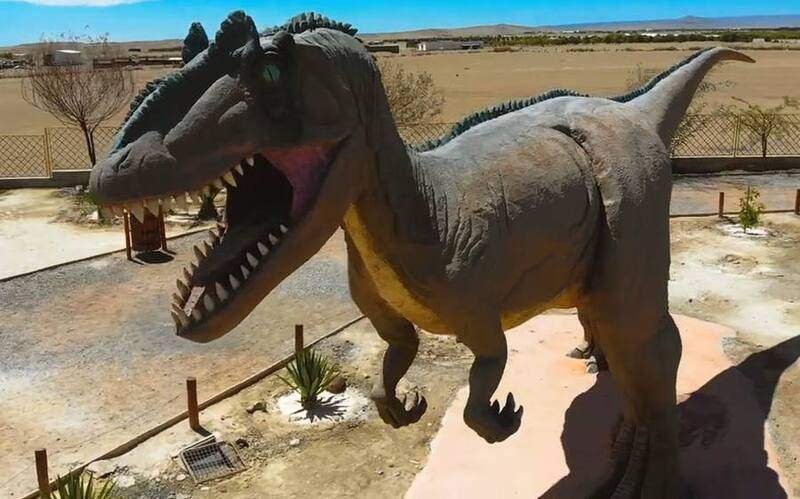
Take photos in an area with life-size dinosaurs. On the road between Pica and Matilla, you'll be amazed by the Dinosaur Park, home to six impressive replicas of these prehistoric giants.
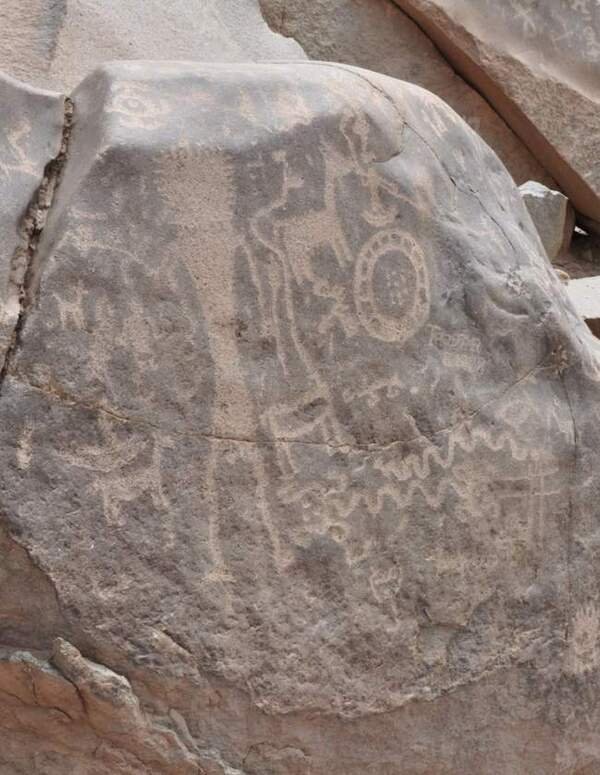
95 km from Pica is Pintados, with more than 350 figures on hills and plains, and 50 km from Pica is Quebrada de Chacarillas, where you can see dinosaur footprints.
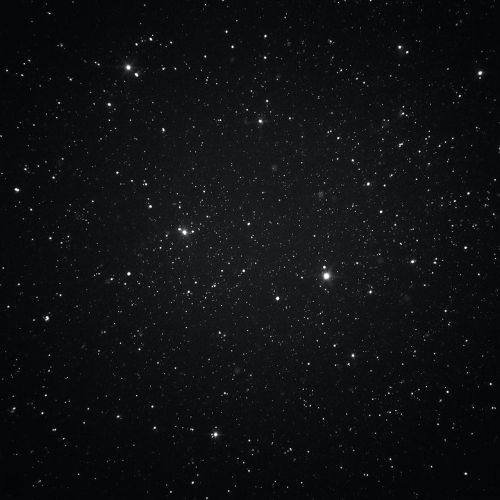
Star tourism. Thanks to its clear skies, Pica offers spectacular views of the Milky Way and constellations. Pica received the Starlight designation.
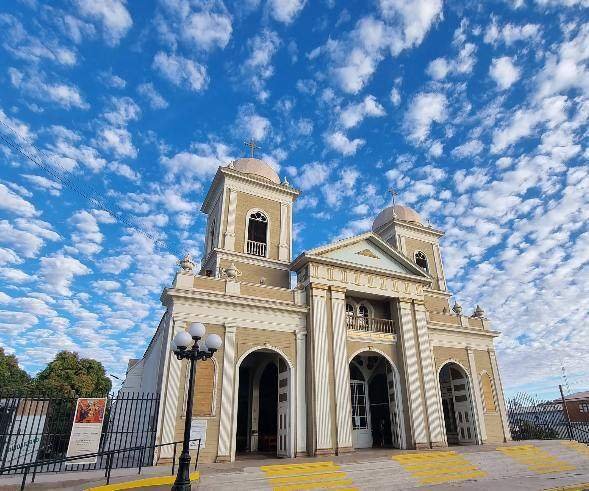
A historic monument on the main square that reflects colonial architecture. Located on the main plaza, with its tall classic pediment framed by pilasters, three doors with circular crowning, and two bell towers above the portico. Built between 1880 and 1886, it is the third oldest church in the area.
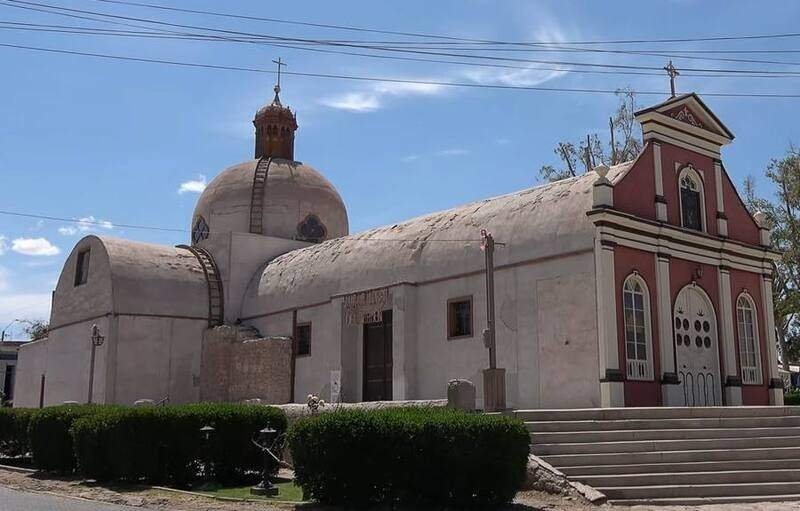
The church and bell tower of the town of Matilla, in the Tarapacá Region, date back to the late 18th century and were declared a historic monument on 06-07-1951. Built with local materials like lime and chalk, the structure stands out for its original altarpiece and freestanding bell tower. It was restored after damage from the 2005 earthquake.
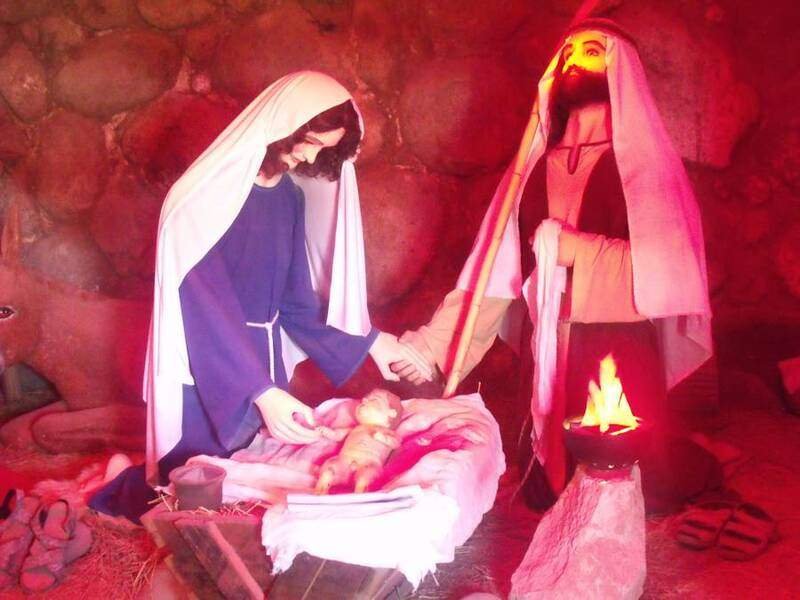
In the town of Matilla you'll find El Gólgota Sanctuary, featuring artistic works set out in stations that recall the life of the Son of God.